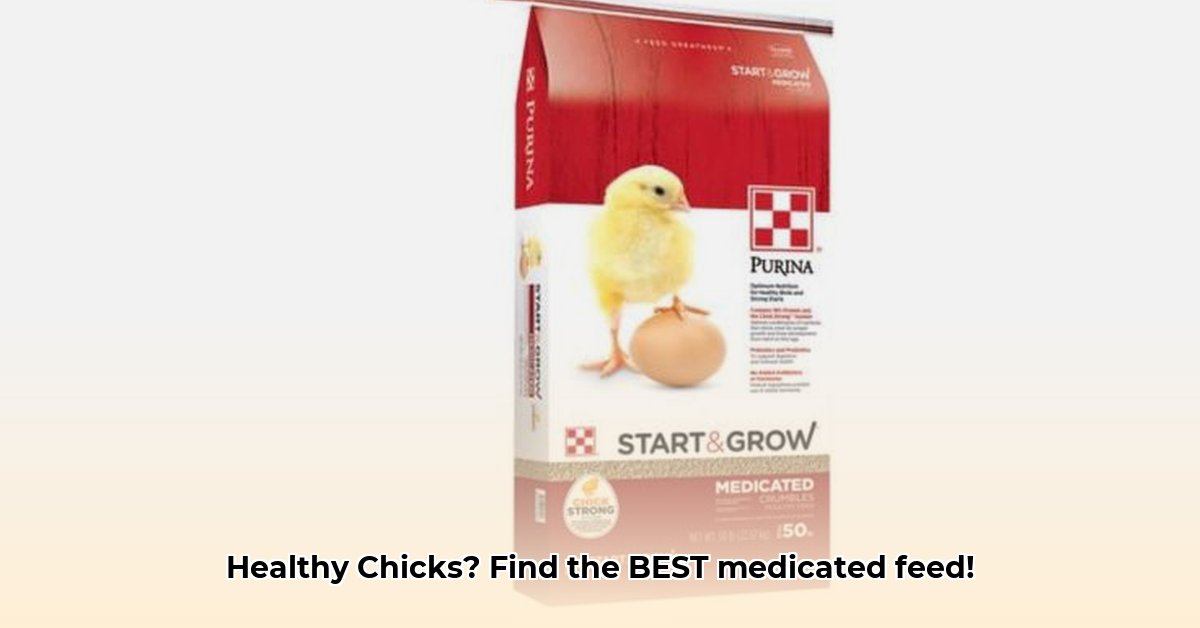
Raising healthy chicks requires careful planning, and choosing the right feed is paramount. Tractor Supply offers various chick feeds, including medicated options, but understanding the implications is crucial for both your flock's health and the environment. For more information on chick costs, check out Tractor Supply chick prices. This guide explores the benefits and drawbacks of medicated chick feed, offers alternatives, and provides actionable steps for informed decision-making.
Understanding Medicated Chick Starter Feed
Medicated chick starter feed incorporates antibiotics or other medications to prevent common diseases, leading to healthier birds and potentially lower mortality rates. This preventative approach can be particularly beneficial for large-scale operations. However, the overuse of antibiotics raises significant concerns regarding antibiotic resistance—the development of bacteria resistant to these drugs, diminishing their effectiveness over time. This is a critical factor to consider.
Medicated Chick Feed from Tractor Supply: Weighing the Pros and Cons
The decision to use medicated feed requires careful consideration. Let's examine the advantages and disadvantages:
| Feature | Pros | Cons |
|---|---|---|
| Disease Prevention | Reduced chick mortality; healthier flocks. | Contributes to antibiotic resistance; environmental impact of medication disposal is a concern. |
| Convenience | Readily available at Tractor Supply and similar retailers. | May mask underlying health issues requiring veterinary attention. |
| Cost | Potentially cost-effective in the short term by reducing chick losses. | Long-term costs may increase due to harder-to-treat antibiotic-resistant bacteria. |
| Sustainability | Further research is needed to fully assess the environmental impact. | Growing consumer concerns regarding antibiotic overuse in animal agriculture and sustainability. |
Choosing the Best Medicated Chick Feed at Tractor Supply: A Step-by-Step Guide
Navigating the options at Tractor Supply requires a methodical approach:
Read Labels Carefully: Meticulously examine the ingredient list and identify any medications used. Understanding the feed's composition is essential. Look for clear and concise labeling.
Explore Non-Medicated Alternatives: Consider non-medicated options available at Tractor Supply. Evaluate your farming practices, bird breed, and environment to assess the suitability of this approach.
Seek Professional Advice: Consult your veterinarian or local agricultural extension agent. They can offer personalized recommendations based on your specific context.
Monitor Your Chicks' Health: Closely observe your chicks' health and growth. Immediate veterinary attention is needed for any signs of illness.
Going Beyond Medication: Sustainable Practices in Chick Raising
The poultry industry is increasingly adopting sustainable practices. Reducing reliance on medication is a key component of this shift:
Support Sustainable Brands: Prioritize companies committed to transparency in sourcing and production, emphasizing ethical and sustainable practices.
Improve Flock Management: Excellent biosecurity and maintaining clean housing significantly reduce disease risks. This includes regular cleaning and disinfection.
Enhance Biosecurity: Implement robust cleanliness protocols and isolate sick birds promptly to prevent widespread disease.
Explore Natural Alternatives: Research natural health boosters, such as herbal remedies and probiotics (availability varies). While promising, further research is needed to fully establish efficacy.
How to Choose Sustainable and Antibiotic-Free Chick Starter Feed
Coccidiosis, a parasitic disease, is a major concern for young chicks. Many medicated feeds contain Amprolium, a coccidiostat (not an antibiotic), for prevention. However, sustainable alternatives deserve consideration.
Medicated vs. Non-Medicated: A Comparative Analysis
| Feed Type | Pros | Cons |
|---|---|---|
| Medicated (with Amprolium) | Effective coccidiosis prevention; readily available; convenient. | Potential for promoting antibiotic resistance; environmental concerns. |
| Non-Medicated | Promotes natural immunity; avoids medication; aligns with sustainable practices. | Higher coccidiosis risk; requires rigorous biosecurity; may not be widely available. |
Building Natural Immunity: A Sustainable Approach
To reduce reliance on medication:
Maintain Impeccable Hygiene: Regular cleaning and disinfection of the coop are crucial. Isn't protecting your flock's health worth the extra effort?
Implement Biosecurity: Control coop access, prevent wild bird entry, and manage rodent infestations. These measures significantly reduce disease transmission, don't they?
Provide Nutritional Support: High-quality feed and probiotics contribute to robust immune systems. What proactive steps are you taking to strengthen your chicks' natural defenses?
Consider Vaccination: Discuss coccidiosis vaccination with your veterinarian. This preventative approach can provide added protection for your flock.
Choosing Sustainable and Antibiotic-Free Feed: A Step-by-Step Guide
Assess Your Risk: Consider flock size, coccidiosis history, and environmental factors. A thorough assessment informs your choice of feed.
Consult Your Veterinarian: Seek professional advice tailored to your specific situation. Their expertise is invaluable in mitigating disease risk.
Read Labels Carefully: Ensure the feed meets your sustainability standards (organic, non-GMO, etc.). Transparency in labeling should be a priority.
Select a Reputable Brand: Choose a brand with a proven track record of quality.
Transition Gradually (if necessary): Avoid upsetting gut flora by gradually introducing a non-medicated feed.
Monitor Your Flock: Observe for illness and seek immediate veterinary help if needed. Proactive monitoring ensures the well-being of your chicks.
Key Takeaways
- Coccidiosis poses a significant threat to young chicks.
- Medicated feeds offer convenience but have potential drawbacks.
- Strong biosecurity and non-medicated feeds are sustainable alternatives.
- Veterinary consultation is essential for managing coccidiosis risks.
- Hygiene and biosecurity are vital for preventing disease.
This guide offers a starting point. Staying informed about advancements in poultry health and sustainable agriculture is key to responsible chick raising.